PLC Programming & Industrial Automation
Connect industrial controls, business networks, and operational data. Basin Tech Solutions helps Washington agricultural and industrial teams plan PLC programming, diagnostics, and automation projects around their equipment and production needs.
Managing truck-scale tickets or material movement? Explore TruePoint scale and inventory software or request a free two-week trial.
Control Systems Built Around Your Operation
In modern manufacturing, warehousing, and agriculture, unexpected downtime on a control line translates directly to lost revenue. Whether you are dealing with a legacy system failure, deploying new automated machinery, or trying to safely extract data from your shop floor, you need an engineering partner who understands both the plc programming inside the controller and the network it sits on.
At Basin Tech Solutions, we specialize in IT/OT Convergence—safely marrying traditional Information Technology with your facility’s Operational Technology. We design resilient control architecture, program precise logic, and safeguard your infrastructure against operational disruptions.
PLC Programming & Tuning
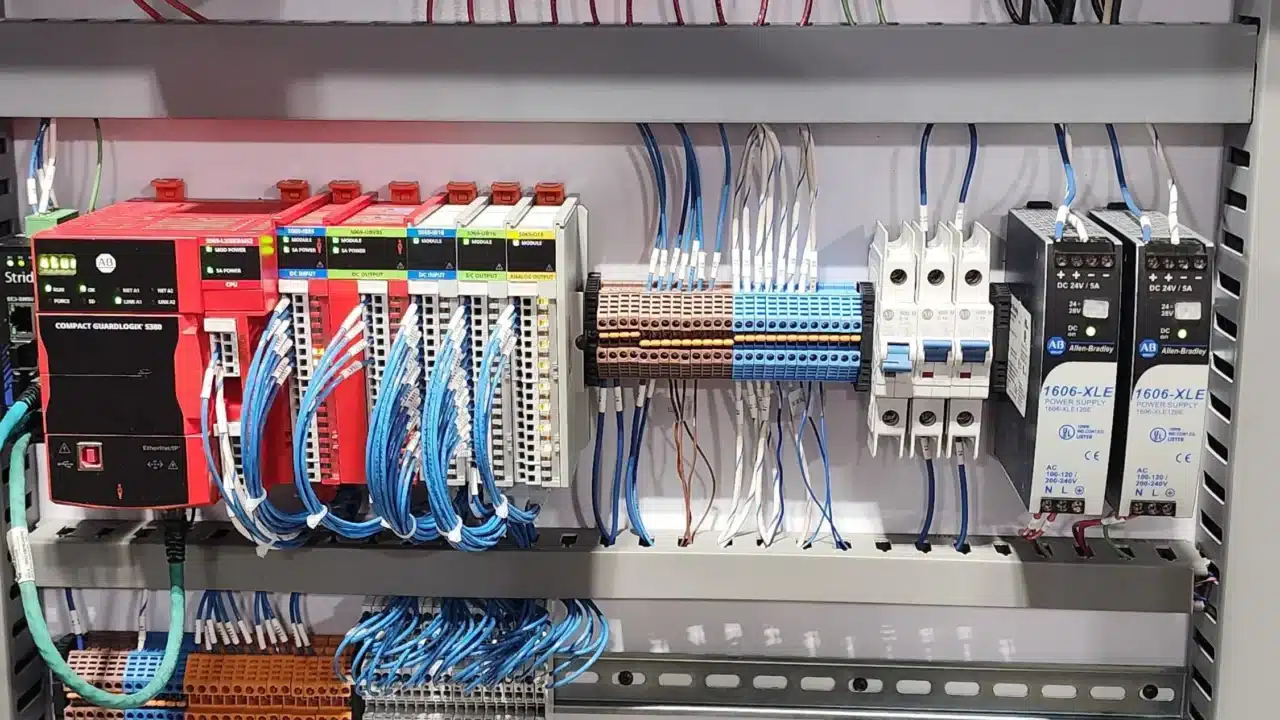
Custom logic configuration, code optimization, and real-time debugging for major industrial platforms including Allen-Bradley (Rockwell Automation), Siemens, and AutomationDirect.
SCADA & HMI Development
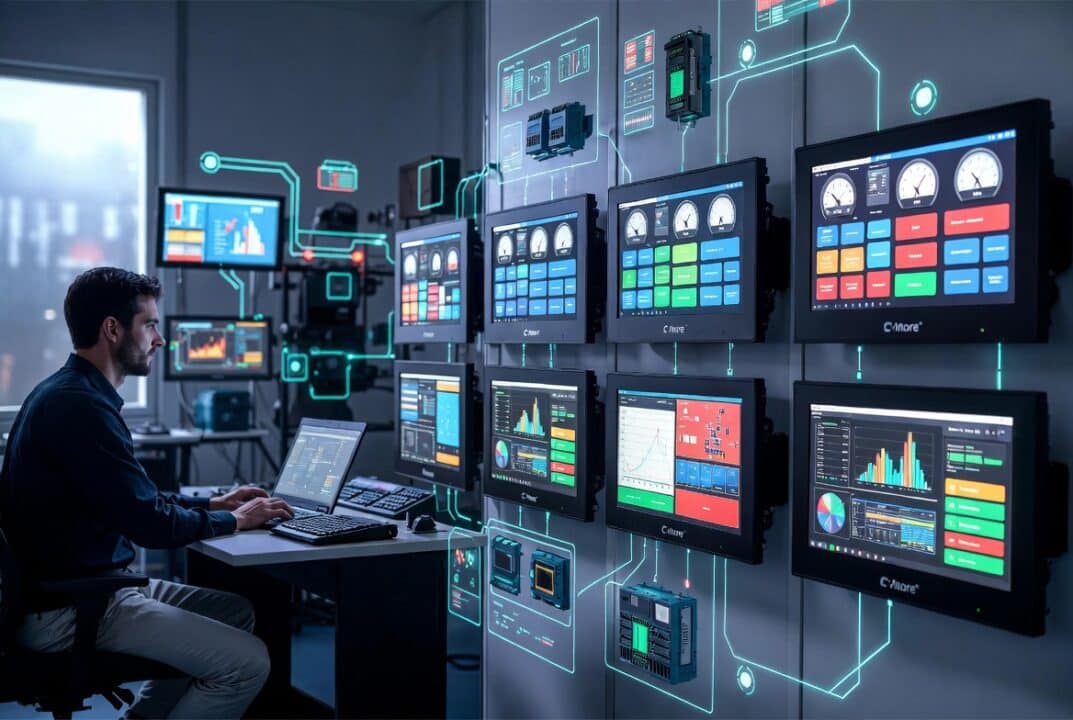
Turn complex raw data into actionable visual insights. We design intuitive Human-Machine Interfaces (HMIs) and Supervisory Control and Data Acquisition (SCADA) systems so your operators have complete plant-floor visibility.
Legacy System Upgrades
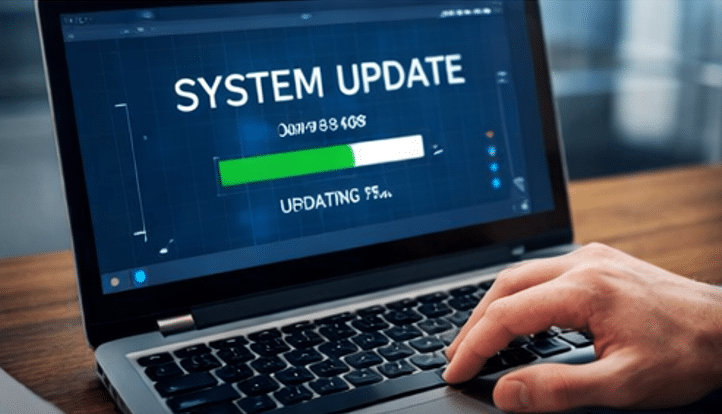
Don’t let obsolete hardware put your business at risk. We specialize in safely migrating out-of-date or end-of-life PLCs and control panels to modern, universally supported architectures with zero loss of baseline logic.
Industrial Network Security

The ultimate vulnerability is a flat network. We implement strict industrial network segmentation and firewalls to guarantee that an office cyber threat can never cross over and stop a physical production line.
The Basin Tech Advantage: Unifying IT & Automation Security
Control systems and business networks need to work together. We consider controller logic, communications, access, backups, and reporting as parts of the same operational workflow.
We start by reviewing your platform, existing documentation, site constraints, and production schedule. Hardware compatibility, testing, commissioning, and support coverage are agreed before implementation.
Frequently Asked Automation Questions
What brands of PLCs and industrial controllers do you support?
We support a wide array of industry-standard control hardware, including Rockwell Automation / Allen-Bradley (Studio 5000, RS Logix), Schneider Electric, and AutomationDirect systems. We can adapt to your existing plant standard or architect a custom platform from scratch.
What is IT/OT Convergence and why does my business need it?
IT (Information Technology) handles business data and software, while OT (Operational Technology) handles the physical machinery on your plant or facility floor. Bringing them together securely allows your business management software to read real-time production, inventory, and truck scale data instantly, boosting overall efficiency and reducing manual input errors.
Can you secure our automated machinery against ransomware and cyberattacks?
Yes. Connecting your plant floor to the internet exposes it to massive cyber security risks. We deploy industrial firewalls and build highly secure, segmented network architectures (demilitarized zones or DMZs). This ensures your physical machinery remains isolated, functioning, and completely unreachable from compromised office computers or external threats.
Do you offer emergency troubleshooting for down production lines?
Yes, we provide rapid-response troubleshooting for critical automation failures. We can connect securely via isolated remote access frameworks to diagnose software logic faults immediately, or deploy local technicians to inspect physical controller network hardware and get your line running.
What is industrial automation?
Industrial Automation is the use of control systems, technologies, and software to automatically manage and operate industrial processes and machinery with minimal human intervention. It improves efficiency, productivity, safety, quality, and consistency in manufacturing and other industrial environments.
Core Purpose
- Replace or augment manual labor in repetitive, dangerous, or precision-critical tasks.
- Enable 24/7 operation with high repeatability and reduced errors.
- Collect real-time data for better decision-making and optimization.
Key Components
- Sensors — Detect temperature, pressure, position, flow, level, etc.
- Actuators — Motors, valves, cylinders, drives that perform physical actions.
- Controllers — PLCs (Programmable Logic Controllers), DCS (Distributed Control Systems), industrial PCs, and microcontrollers that process inputs and execute logic.
- Human-Machine Interfaces (HMIs) — Touchscreens, SCADA systems, and dashboards for operators to monitor and control processes.
- Robotics & Motion Control — Industrial robots, CNC machines, servo systems.
- Industrial Networks — Protocols like Ethernet/IP, Profinet, Modbus, OPC UA for communication between devices.
- Software — MES (Manufacturing Execution Systems), ERP integration, analytics, AI/ML for predictive maintenance.
Levels of Automation (Automation Pyramid)
- Field Level — Sensors and actuators.
- Control Level — PLCs and controllers.
- Supervisory Level — SCADA, HMIs.
- Planning/Enterprise Level — MES, ERP systems.
- Emerging: IIoT & Cloud — Industrial Internet of Things, edge computing, cloud analytics.
Types of Industrial Automation
- Fixed (Hard) Automation — High-volume production with dedicated equipment (e.g., automotive assembly lines).
- Programmable Automation — Flexible for batch production (e.g., PLC-controlled lines).
- Flexible (Soft) Automation — Highly adaptable with robots and CNC (e.g., job shops).
- Integrated Automation — Full factory systems with minimal human input.
Common Applications
- Manufacturing (automotive, electronics, food & beverage, pharmaceuticals)
- Oil & gas, chemical processing
- Power generation and utilities
- Warehousing and logistics (automated guided vehicles, robotic picking)
- Mining and metals processing
Benefits
- Higher Productivity — Faster cycle times and continuous operation.
- Improved Quality — Consistent output with reduced defects.
- Enhanced Safety — Workers removed from hazardous areas.
- Cost Savings — Lower labor costs and reduced waste/scrap.
- Data-Driven Insights — Real-time monitoring and predictive maintenance.
- Scalability — Easier to ramp production.
Challenges
- High initial capital investment.
- Need for skilled technicians and engineers.
- Cybersecurity risks (especially with IIoT connectivity).
- Potential job displacement (though often shifts roles to higher-value tasks).
- Integration with legacy (“brownfield”) equipment.
Modern Trends (as of 2026)
- Industry 4.0 / Smart Factories — Digital twins, AI, machine learning, 5G.
- Collaborative Robots (Cobots) — Work safely alongside humans.
- Edge Computing & AI — Real-time decision making at the machine level.
- Sustainability — Energy optimization and reduced material waste.
- Autonomous Systems — Self-optimizing production lines.
In short, industrial automation transforms traditional factories into intelligent, interconnected systems that produce more with less human effort while generating valuable operational data. Companies like Siemens, Rockwell Automation, Schneider Electric, ABB, and Honeywell are major players in this space.
What is PLC programming?
PLC Programming is the process of creating and editing software for Programmable Logic Controllers (PLCs) — rugged industrial computers that automate machines and processes.
Most common language: Ladder Logic (looks like electrical relay diagrams).
Other languages: Function Block Diagram (FBD), Structured Text (ST), Sequential Function Chart (SFC).
Used for: Assembly lines, packaging machines, conveyor systems, pumps, robotics, etc.
Goal: Reliable, fast, and safe automation with minimal human intervention.
In simple terms: PLC programming is the “brain coding” that makes industrial machines run automatically and efficiently.
Popular platforms: Allen-Bradley (Rockwell), Siemens, Schneider, Omron, Mitsubishi.
Do not leave your plant-floor operational efficiency or network security to chance. Connect with the technical engineers at Basin Tech Solutions to design an optimized, reliable automation framework for your facility.
Secure & Scale Your Industrial Operations
Quick Links
Start a Conversation
Helpful answers
Frequently Asked Questions
What types of PLC programming work does Basin Tech perform?
Projects may include diagnostics, logic changes, controls integration, data collection, reporting, and modernization planning. Supported platforms and the exact scope are confirmed during discovery.
Can Basin Tech work with an existing control system?
Yes, when the existing PLC, documentation, access, and surrounding equipment can be safely supported. A site and compatibility review is completed before commitments are made.
Can PLC work be completed without disrupting production?
Basin Tech plans testing, access, backups, and cutover steps around operational requirements, but the acceptable downtime and project window must be agreed with the facility.